The Power of Intervention: How Peer Support Strengthens UT Police Ability to Act
January 07, 2026
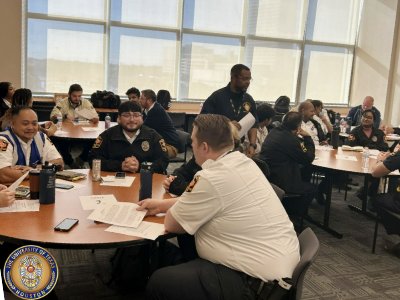
UT Police continue to strengthen our commitment to officer wellness, accountability and professional standards through Active Bystandership for Law Enforcement (ABLE) training.
What is ABLE?
ABLE is a national, evidence-based program designed to equip officers with the skills and confidence to intervene when they observe unsafe, harmful or counterproductive behavior. The program reinforces that intervention — whether verbal, physical or through early action — is a core responsibility of professional policing and an important component of officer safety and wellness.
ABLE training addresses common barriers such as rank hierarchy, fear of retaliation, and uncertainty about how to intervene. It also reinforces the importance of follow-up and continued support after an intervention.
Our Division’s Commitment
Our continued implementation of the ABLE program affirms the division's dedication to integrity, accountability, and safety. Since enrolling, the division has completed required training, integrated ABLE principles into internal messaging, and aligned the program with existing initiatives such as peer support and wellness.
The latest session of ABLE training for divisional team members was completed in December and was facilitated by Captain Justin Taylor, Detective Erica Bennett and Sergeant Isaac Graham.
Building Confidence and Resilience
A culture of peer support aims to ensure that our officers feel confident intervening when necessary, by normalizing conversations about stress, pressure and performance.
“When officers feel supported and know their peers will stand with them, they are more likely to act in uncomfortable situations,” said Captain Taylor, who helped develop the division’s Peer Support Program.
ABLE and Peer Support in Action
ABLE complements the division’s Peer Support Program by strengthening a culture where officers support one another. While peer support emphasizes emotional wellness, resilience, and access to resources, active bystandership focuses on intervening early to prevent harm or mistakes. Together, the programs promote trust, teamwork, and shared responsibility.
A supportive culture is one in which officers feel safe asking for help, trust their peers, and know that their leadership team values wellness and accountability alongside operational performance. Peer support contributes to this culture through outreach, confidential assistance, wellness checks, training, and by encouraging supervisors to model healthy behaviors.
Principles into Action
Officers demonstrate the principles of ABLE and peer support through both formal and informal actions, including stepping in during high-stress calls, helping de-escalate emotionally charged situations and supporting colleagues experiencing workload or personal challenges.
"Small, consistent actions make the greatest difference,” Captain Taylor said. “Checking in on coworkers, noticing changes in behavior, offering help before being asked and treating all personnel with respect, regardless of rank or assignment, are all factors that strengthen trust and resilience across our team.”
ABLE principles apply beyond critical incidents and into daily interactions. Officers are encouraged to offer early, quiet corrections, help peers manage stress, promote healthy work-life balance, and model ethical, respectful communication at all levels.
"ABLE and peer support continue to grow together,” Captain Taylor said, “creating an environment where intervention is expected, support is consistent, and every officer plays a role in protecting one another.”